Why Walks Aren’t Enough for High-Drive Dogs and What Actually Works
Walks are great, but for some dogs, they are not nearly enough. If you live with a high-drive, anxious, or easily overstimulated dog, you have probably heard it before: “Just walk them more.” Or “They need more exercise.”
Here is the problem most people do not understand. For some dogs, more exercise does not mean more calm. It only means more stimulation. And stimulation, especially chaotic stimulation, often creates more reactivity, not less.
Walks Can Backfire
(1) If your dog pulls like a freight train the second you touch the leash;
(2) If they scan the area constantly, lunging at every trigger;
(3) If they come home from walks more lit up than when they left;
(4) That’s not a tired dog, That’s a dog whose nervous system just got amped.
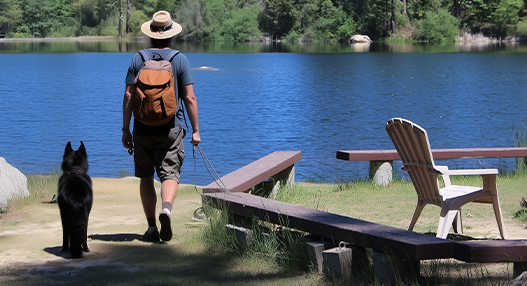
Walks introduce unpredictability. They bring sounds, smells, other dogs, loose bikes, squirrels, and trash trucks. On top of that, the leash usually adds more tension to the mix. For sensitive or high-drive dogs, that cocktail is not calming. It is chaotic.
Stimulation Does Not Equal Structure
It is a common myth that physical exhaustion creates mental balance.
In reality, many dogs are physically tired but still dysregulated. Their brain never slowed down. It only got flooded with input. That is why you often see the crash-and-burn cycle: zoomies, crash, then back to chaos.
They are never really grounded. What these dogs need is not just a way to burn energy. They need a way to organize it.
What Makes Structured Running Different?
Structured running, like the slat mill sessions we offer at RunTinTin, flips that whole model upside down.
Here’s what changes:
- No distractions
- No leash tension
- No overstimulation
- No group chaos
- No unpredictable variables
It is just your dog, a rhythm, and a neutral space designed for decompression through movement.
Slat mills are self-powered, so your dog controls the pace. That means they engage both brain and body. Paired with calm handling, dogs learn to regulate themselves while they move.
What You See After
We have continually seen the shift – Dogs who:
It is not because they are tired. It is because they finally learned how to offload energy without chaos.
Structured movement teaches the brain to slow down while the body works. That is the exact opposite of what most activities do.
Do Walks Still Matter?
Of course. Walks are valuable, but they should not be the only outlet for dogs who clearly need more structure than stimulation.
In fact, many clients report that walks become more peaceful after their dogs begin structured sessions. That is because the dogs finally had a chance to reset. When walks are not enough, structure makes the difference.
Curious Whether This Could Help Your Dog?
Start with our Intake Form. It only takes a few minutes, and we will take it from there.